Environmental report 2026
Global warming: a calm reading of the data
The planet is changing faster than we expected. Natural resources are running out, summers stretch longer and southern European regions watch the rain arrive later each year. Spain, lying between the Mediterranean and the Atlantic, experiences this change directly: cereal fields in Castile, vineyards in La Rioja and forests in Galicia all show clear signs of a drier climate.
The public conversation about global warming is no longer a technical debate. It is an everyday talk about the water we drink, the air we breathe and the landscape we will leave to the next generations. The protection of the environment has become a shared task between public bodies, local communities and citizens.
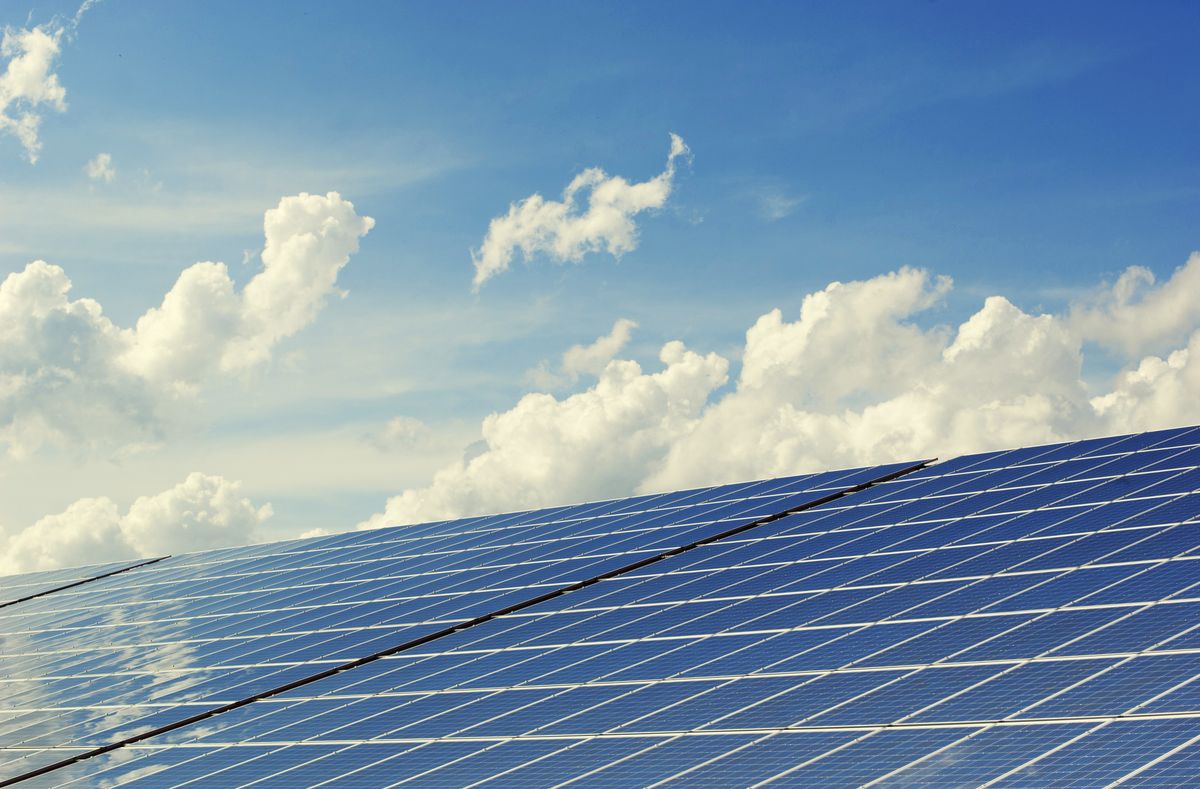
Spain's role in renewable energy
Spain has one of the richest solar resources in Europe, with more than 2,500 hours of sunshine each year across most of the peninsula. Andalusia, Extremadura, Castile-La Mancha and Murcia host photovoltaic facilities that already supply millions of households. To these we add the wind farms of Galicia, Aragon and Castile and León, where the wind provides a steady source of energy.
Spanish energy companies are working on the development of smart grids, battery storage and green hydrogen projects. The national target for 2030 plans that 81% of electricity comes from renewable sources, in line with the National Integrated Energy and Climate Plan. This transition is not only a technical matter: it is a way of taking care of the territory, fostering local employment and reducing external dependence.
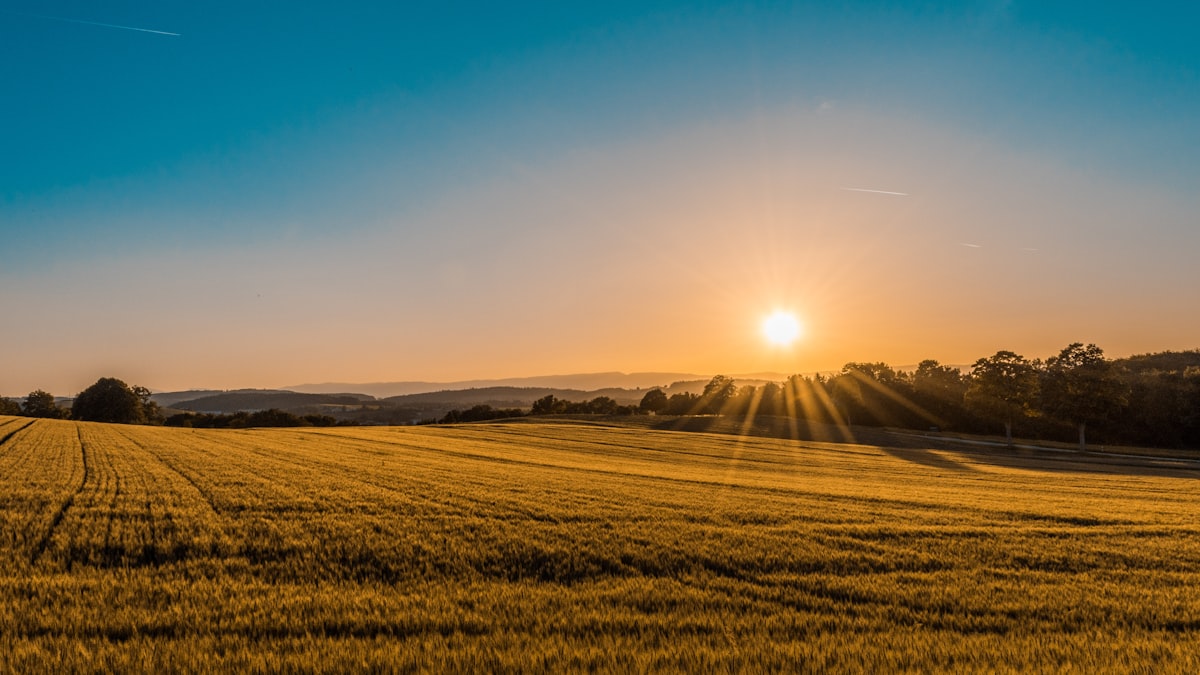
The future of agriculture: Agriculture 5.0
Spanish agriculture is reinventing itself. Olive groves in Jaén, vegetable gardens in Almería and vineyards in La Mancha are bringing in soil-moisture sensors, satellite imagery and precision irrigation to use less water and protect the soil. The term "Agriculture 5.0" gathers these techniques: a blend of traditional knowledge with open data and clean energy.
Cooperatives and small family farms work together with universities and research centres to advance the sustainable development of rural areas. Agrivoltaic projects allow crops to grow under solar panels, reducing evaporation and producing electricity at the same time. It is a simple picture of a possible future: countryside, sun and technology working together for the protection of the land.